Introduction
The Schneider Electric TH150M represents a breakthrough in continuous thermal monitoring technology, offering industrial facilities and electrical installations an advanced solution for real-time temperature surveillance. As part of Schneider Electric’s PowerLogic™ family of monitoring devices, the TH150M wireless multi-phase temperature sensor delivers comprehensive three-phase temperature monitoring capabilities that help prevent equipment failures, reduce maintenance costs, and enhance overall electrical system safety.
In today’s industrial landscape, thermal monitoring has become critical for maintaining operational efficiency and preventing costly downtime. The TH150M addresses these challenges by providing continuous, automated temperature monitoring of electrical connections, transformers, switchgear, and other critical infrastructure components.
What is the Schneider TH150M?
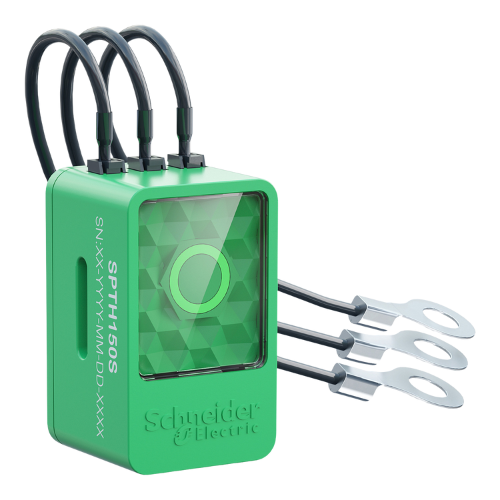
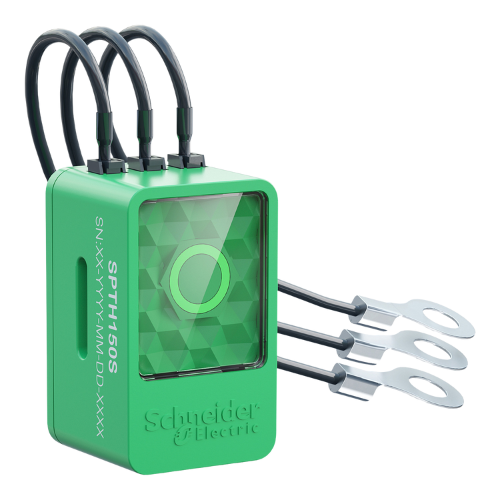
The TH150M is a wireless multi-phase temperature sensor designed specifically for three-phase electrical systems. This innovative device utilizes inductive power harvesting technology, drawing energy directly from the electromagnetic field generated by current-carrying conductors, eliminating the need for external batteries or power sources.
Key identifying characteristics of the TH150M include:
- Self-powered operation through electromagnetic induction
- Wireless ZigBee communication for seamless data transmission
- Three-phase monitoring capability for comprehensive system coverage
- Temperature range of -25°C to +150°C for diverse industrial applications
- Minimum startup current of 5A for reliable energy harvesting
Technical Specifications and Features
Core Technical Parameters
The TH150M boasts impressive technical specifications that make it suitable for demanding industrial environments:
Power and Energy Harvesting
- Starting current requirement: 5A minimum for energy harvesting activation
- Power source: Electromagnetic field induction from monitored conductors
- Battery-free operation: A completely self-sustaining power system
Temperature Monitoring
- Operating range: -25°C to +150°C (-13°F to +302°F)
- Accuracy: High-precision temperature measurement with industrial-grade reliability
- Multi-phase capability: Simultaneous monitoring of all three phases
Communication and Connectivity
- Wireless protocol: ZigBee Green Power for reliable, low-power communication
- Range: Optimized for industrial environments with metal enclosures
- Data transmission: Real-time temperature data and alarm notifications
Physical Installation
- Mounting method: Copper busbar or cable strap mounting
- Installation flexibility: Suitable for various conductor sizes and configurations
- Compact design: Minimal space requirements for easy integration
Advanced Features
Continuous Monitoring Capabilities
The TH150M provides 24/7 thermal monitoring, offering several operational advantages:
- Real-time temperature tracking of critical electrical connections
- Trend analysis for predictive maintenance planning
- Automatic alarm generation when temperature thresholds are exceeded
- Historical data logging for compliance and analysis purposes
Smart Integration
- EcoStruxure compatibility: Seamless integration with Schneider Electric’s digital ecosystem
- Mobile app connectivity: PowerLogic Thermal Connect app for local monitoring
- Cloud-based analytics: Advanced data processing and reporting capabilities
- Multi-device coordination: Supports up to 100 sensors per data concentrator
Applications and Use Cases
Industrial Applications
Manufacturing Facilities
The TH150M excels in manufacturing environments where electrical reliability is paramount:
- Motor control centers: Monitoring of starter connections and contactors
- Distribution panels: Temperature surveillance of main and branch circuits
- Transformer connections: Ensuring optimal transformer operation
- Busway systems: Continuous monitoring of busway joints and connections
Power Generation and Distribution
- Substations: Critical connection monitoring in medium and high voltage applications
- Switchgear: Comprehensive thermal monitoring of switching equipment
- Generator connections: Ensuring reliable power generation equipment operation
- Transmission lines: Monitoring of line connections and terminations
Commercial Buildings
- Data centers: Critical infrastructure temperature monitoring
- Healthcare facilities: Ensuring uninterrupted power for life-safety systems
- Educational institutions: Maintaining reliable electrical systems
- Office buildings: Preventive maintenance for electrical distribution systems
Specific Installation Locations
The TH150M is designed for installation at critical thermal monitoring points:
Medium Voltage Applications
- Cable terminations and connections
- Withdrawable circuit breaker connections
- Busbar junction points
- Transformer primary connections
Low Voltage Applications
- Air circuit breaker upstream and downstream connections
- Busbar junction points (horizontal to vertical transitions)
- Large feeder connections
- Panel main connections
Installation and Setup Process
Pre-Installation Planning
Site Assessment
Before installing TH150M sensors, conduct a thorough site assessment:
- Identify critical monitoring points based on historical thermal issues
- Verify minimum current requirements (5A startup current)
- Assess wireless communication paths to ensure reliable data transmission
- Plan sensor placement for optimal thermal detection and accessibility
Equipment Requirements
- TH150M wireless temperature sensors
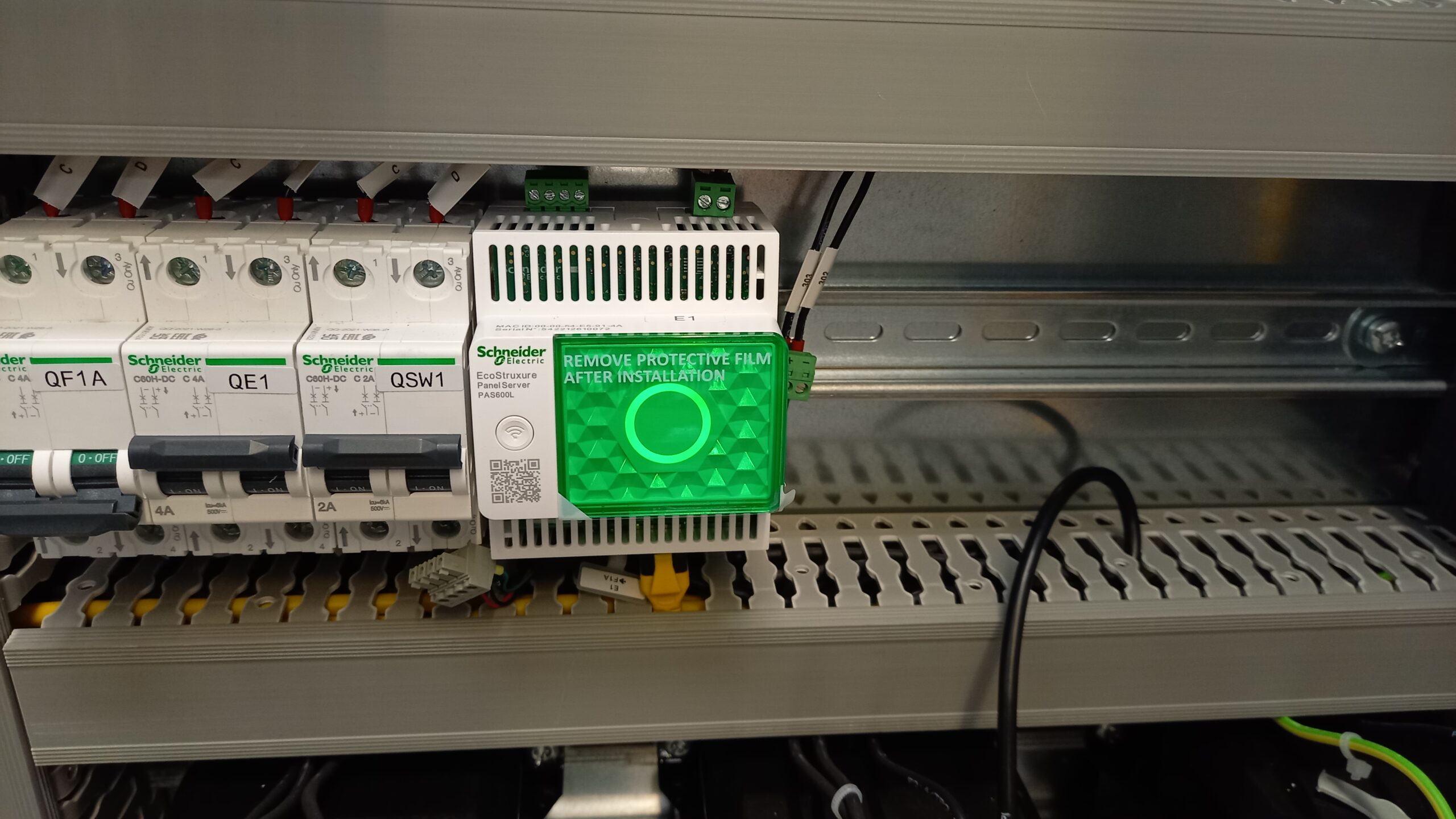
- ZBRN32 wireless data concentrator or EcoStruxure Panel Server
- PowerLogic Thermal Connect mobile applications
- Installation tools: Phoenix Contact PN 1212610 or HellermannTyton PN MK9SST
Installation Procedure
Step 1: Safety Preparation
- De-energize circuits where possible during installation
- Apply appropriate PPE following NFPA 70E or local safety standards
- Use proper voltage-sensing devices to confirm power status
- Follow lockout/tagout procedures as required
Step 2: Physical Mounting
- Position the sensor at the designated monitoring points
- Ensure full contact between the sensor’s thermistor and the conductor surface
- Secure with ferromagnetic ribbon or approved cable ties
- Verify proper tension using recommended tie tools (200N maximum)
Step 3: System Configuration
- Pair sensors with the wireless data concentrators
- Configure temperature thresholds using the SMD Configurator software
- Test communication between sensors and the monitoring system
- Establish baseline temperatures for trend analysis
Configuration and Commissioning
Software Configuration
The TH150M system utilizes sophisticated configuration software:
SMD Configurator Features
- Project management: Organize multiple installation sites
- Sensor pairing: Automated sensor discovery and pairing
- Threshold setting: Customizable temperature alarm levels
- Reporting configuration: Automated report generation and distribution
Mobile Application Setup
The PowerLogic Thermal Connect app provides:
- Local monitoring capabilities: Direct sensor communication via NFC
- Configuration download: Import settings from cloud or NFC tags
- Real-time data viewing: Live temperature readings and status
- Report generation: PDF report creation and sharing
System Integration and Connectivity
EcoStruxure Platform Integration
The TH150M seamlessly integrates with Schneider Electric’s EcoStruxure™ architecture:
Edge Control Level
- EcoStruxure Panel Server: Advanced data concentration and processing
- Substation Monitoring Device (SMD): Local HMI and alarm management
- PowerLogic meters: Coordinated electrical system monitoring
Apps, Analytics & Services Level
- Power Monitoring Expert (PME): Enterprise-level monitoring and analysis
- EcoStruxure Asset Advisor: Cloud-based predictive analytics
- Remote monitoring services: Professional tracking and support
Communication Architecture
Wireless Data Concentration
The TH150M utilizes advanced wireless communication:
- ZigBee Green Power protocol: Low-power, reliable communication
- Multiple concentrator support: Up to 5 concentrators per SMD system
- Sensor density: Up to 100 sensors per concentrator
- Communication redundancy: Multiple communication paths for reliability
Data Processing and Storage
- Local data processing: Edge-level analytics and alarm generation
- Cloud connectivity: Secure data transmission to EcoStruxure cloud services
- Historical trending: Long-term data storage and analysis
- API integration: Custom application connectivity
Benefits and Advantages
Operational Benefits
Predictive Maintenance
The TH150M enables proactive maintenance strategies:
- Early fault detection: Identify thermal issues before equipment failure
- Maintenance optimization: Schedule maintenance based on actual conditions
- Cost reduction: Minimize unplanned downtime and emergency repairs
- Asset life extension: Maintain equipment within optimal operating parameters
Safety Enhancement
- Fire prevention: Early detection of overheating conditions
- Personnel safety: Reduce exposure to high-temperature equipment
- Compliance support: Meet regulatory thermal monitoring requirements
- Risk mitigation: Minimize electrical arc flash incidents
Economic Advantages
Return on Investment
Studies show significant ROI from thermal monitoring systems:
- Reduced downtime costs: Prevent costly production interruptions
- Lower maintenance expenses: Optimize maintenance schedules and resources
- Insurance benefits: Potential premium reductions for enhanced safety measures
- Energy efficiency: Identify and correct thermal inefficiencies
Long-term Value
- Battery-free operation: No ongoing battery replacement costs
- Scalable deployment: Expand monitoring coverage as needed
- Future-proof technology: Compatible with evolving digital infrastructure
- Professional support: Access to Schneider Electric’s global service network
Maintenance and Troubleshooting
Routine Maintenance
System Health Monitoring
Regular system maintenance ensures optimal performance:
- Communication verification: Test wireless connectivity monthly
- Sensor inspection: Visual inspection during scheduled maintenance
- Threshold validation: Review and adjust temperature thresholds annually
- Software updates: Install firmware and software updates as available
Performance Optimization
- Data analysis: Review temperature trends and alarm patterns
- Sensor positioning: Verify optimal sensor placement and contact
- Communication troubleshooting: Address wireless signal issues
- Integration testing: Ensure proper system integration and data flow
Common Issues and Solutions
Communication Problems
- Signal interference: Identify and eliminate sources of wireless interference
- Range limitations: Install additional concentrators for extended coverage
- Pairing issues: Re-pair sensors using proper procedures
Temperature Reading Anomalies
- Sensor contact: Verify proper thermal coupling with the monitored surface
- Environmental factors: Consider ambient temperature effects on readings
- Calibration verification: Confirm sensor accuracy against reference standards
Comparison with Alternative Solutions
Traditional Monitoring Methods
Infrared Inspections
While infrared thermography provides valuable thermal information, the TH150M offers several advantages:
- Continuous monitoring: 24/7 surveillance vs. periodic inspections
- Accessibility: Monitor enclosed or difficult-to-reach connections
- Automation: Automatic alarm generation and data logging
- Cost effectiveness: Reduce labor costs for routine inspections
Wired Temperature Sensors
Compared to traditional wired sensors:
- Installation flexibility: No wiring requirements reduce installation complexity
- Maintenance reduction: Eliminate wire maintenance and replacement
- Scalability: Easy expansion without additional wiring infrastructure
- Safety improvement: Reduce electrical installation risks
Competitive Analysis
TH150M vs. TH110
| Feature | TH110 | TH150M |
|---|---|---|
| Phase monitoring | Single phase | Three-phase |
| Power harvesting | Current transformer required | Direct inductive coupling |
| Installation complexity | Moderate | Simplified |
| Application scope | General purpose | Multi-phase systems |
Market Position
The TH150M occupies a unique position in the thermal monitoring market:
- Technology leadership: Advanced self-powered operation
- Comprehensive solution: Complete monitoring ecosystem
- Professional support: Global service and support network
- Proven reliability: Extensive field deployment and validation
Future Developments and Innovations
Technology Roadmap
Enhanced Analytics
Future developments may include:
- Artificial intelligence integration: Machine learning for predictive analytics
- Advanced diagnostics: Automated fault diagnosis and recommendations
- Increased connectivity: Integration with additional IoT platforms
- Enhanced visualization: Augmented reality maintenance support
Sustainability Focus
- Environmental monitoring: Extended environmental sensing capabilities
- Energy optimization: Integration with energy management systems
- Carbon footprint reduction: Support for sustainability initiatives
- Circular economy: Improved recyclability and component reuse
Industry Trends
Digital Transformation
The electrical industry continues evolving toward digital solutions:
- Industry 4.0 integration: Smart manufacturing connectivity
- Edge computing: Increased local processing capabilities
- Cybersecurity enhancement: Improved security for connected devices
- Standardization efforts: Industry-wide protocol standardization
The Schneider Electric TH150M represents a significant advancement in wireless thermal monitoring technology, offering industrial facilities a comprehensive solution for continuous temperature surveillance of critical electrical systems. Through its innovative self-powered design, advanced wireless communication capabilities, and seamless integration with digital monitoring platforms, the TH150M delivers exceptional value in preventing equipment failures, optimizing maintenance strategies, and enhancing overall electrical system safety.
Key advantages of the TH150M include its battery-free operation, three-phase monitoring capability, easy installation process, and comprehensive system integration. These features combine to provide a robust, scalable solution that addresses the evolving needs of modern industrial facilities while supporting digital transformation initiatives.
For facilities seeking to implement predictive maintenance strategies, enhance electrical safety, and optimize operational efficiency, the TH150M offers a proven, reliable solution backed by Schneider Electric’s global expertise and support network. The system’s ability to provide continuous thermal monitoring while minimizing maintenance requirements makes it an ideal choice for critical infrastructure applications across various industries.
As industrial facilities continue to embrace digital technologies and smart monitoring solutions, the TH150M positions organizations to benefit from advanced thermal monitoring capabilities while building a foundation for future digital innovations. The combination of proven technology, comprehensive support, and integration flexibility ensures that investments in TH150M systems deliver long-term value and operational benefits.
Whether deployed in manufacturing facilities, power generation plants, commercial buildings, or critical infrastructure applications, the Schneider Electric TH150M provides the thermal monitoring capabilities necessary to maintain safe, reliable, and efficient electrical systems in today’s demanding industrial environment.